Sonny Miller's passing and Hossegor's insane swell this week tell the same story - surf media matters, and what happens to it matters more than we think.
Two stories dropped this week that every surfer should stop scrolling for - one about a legendary filmmaker we lost, and one about a wave that reminded the whole world why we do this. Together they paint a pretty clear picture of where surf culture is sitting right now: we're simultaneously celebrating the best surf moments in years while quietly watching decades of irreplaceable footage disappear into dusty hard drives and forgotten archives. That tension is worth talking about.
Why Is Surf Film History Disappearing Right Now?
The passing of surf filmmaker Sonny Miller hit the community hard, and rightly so. Ben Mondy's piece on the fragile state of surf film history cuts deep if you actually care about where this culture came from. Miller was part of a tiny group of people who dedicated their lives to documenting surfing before Instagram existed, before anyone thought about monetizing it, before the algorithm told you what was worth filming. The work those filmmakers produced is surf culture - it shaped how generations of surfers understood what was possible in the water.
The problem is that so much of that visual legacy lives on degrading tape, in personal collections, or locked inside estates that have no idea what they're sitting on. There's no centralized archive. There's no institution with deep enough pockets or passion to do the work properly. Derek Hoffmann's story - one of the lesser-known keepers of that era - makes it painfully clear that when these filmmakers go, the knowledge of where the footage even is often goes with them. That's not a small loss. That's surf history going dark.
What's striking is that this conversation is happening at the same moment surf media creation has never been more accessible. Every surfer with a decent phone can shoot 4K clips of their dawn patrol session. There are more surf photographers working more spots than at any point in the sport's history. The tools exist - what's always been missing is the infrastructure to actually preserve and share that content in a way that lasts. It's a real contradiction worth sitting with.

Did Hossegor Just Deliver the Best Surf Day in Years?
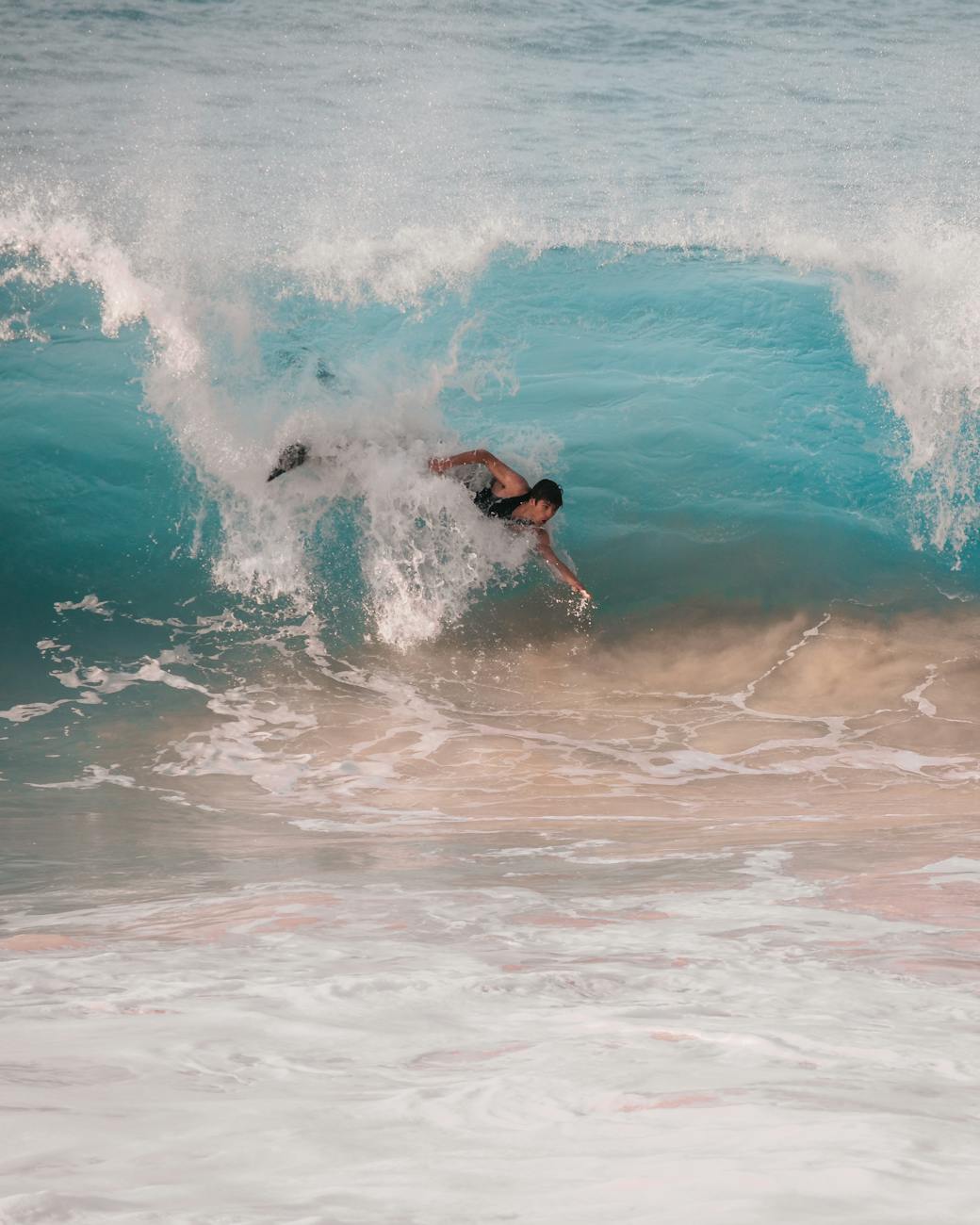
While the preservation conversation was bubbling in the background, Hossegor's La Gravière went absolutely berserk and handed the surf world exactly the kind of day it needed. Dashel Pierson's coverage called it the best conditions at that break in years, and watching the videos circulate online it's genuinely hard to argue. La Gravière is one of those waves that sits dormant for long stretches and then just opens up like a freight train - hollow, powerful, and completely unforgiving if you get it wrong.
What jumped out beyond the actual surfing was how fast the content spread. Within hours of the swell hitting, clips were everywhere - social feeds, group chats, surf forums. It's the exact pattern that plays out every time a truly special day goes down somewhere iconic. Everyone wants proof it happened. Surfers who were there want evidence of their own sessions. Surfers who weren't there want to relive it through other people's lenses. The demand for surf session photography on a day like that is genuinely enormous.
It also raises an obvious question - how many incredible sessions from that Hossegor swell were shot by talented local photographers and videographers whose work never found its way to the people who actually surfed those waves? That's a gap that platforms like Got Barreled's gallery exist to close - connecting the surfer who scored the session to the creator who captured it, organized by spot and date so nothing gets lost in the noise.
What These Two Stories Have in Common
On the surface, a surf filmmaker passing away and a massive French beachbreak going off seem like unrelated news. But they're pointing at the same thing - surf media matters, and what happens to it matters. The Sonny Miller story is a reminder of what gets lost when there's no system for preserving and distributing surf content. The Hossegor story is a reminder of how much that content means to people in real time, right now, when the waves are still fresh in their legs.
If you're a photographer or videographer who was in Hossegor for that swell - or shooting any break regularly - this week was a pretty strong argument for getting your work properly distributed. The audience is there. The demand is real. The lesson from surf film history is that waiting until later to think about preservation is how you end up with nothing. Got Barreled's creator platform is built specifically for surf media creators who want their work seen and valued without giving away the majority of what they earn.
The surf world is generating more incredible content than ever. The challenge - the real one - is making sure it doesn't just evaporate into feeds and forgotten folders the way so much of what came before it did.
Looking for your surf photos?
Browse surf session photos and videos from photographers around the world.
Browse Gallery