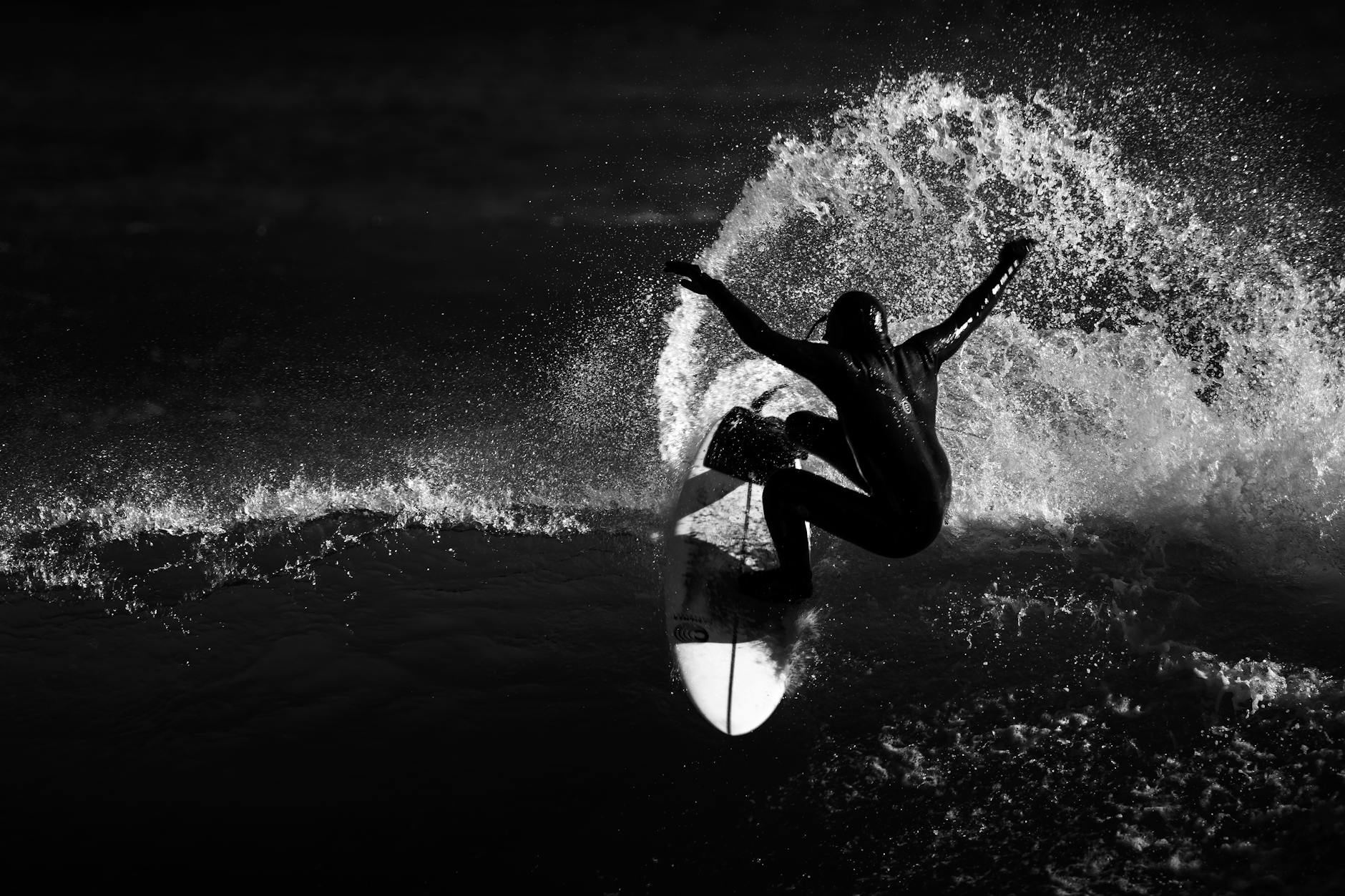
Learn how to read waves from the beach before you paddle out - the skill that separates surfers who score sessions from those who get caught inside.
Most surfers paddle straight out and wonder why they keep getting caught inside - the real skill happens before you ever hit the water. Reading waves from the beach is one of the most underrated parts of surfing, and it separates the surfers who score sessions from the ones who spend the whole time scrambling. Whether you're at a new spot or your home break, spending five minutes on the sand watching the ocean will change everything about how you surf. It's the kind of skill that doesn't show up on your scorecard but shows up in every single wave you catch.
What Should You Look for When Reading Waves?
Start by watching where the waves are consistently breaking. A wave that breaks in the same spot repeatedly means there's something underneath - a sandbar, a reef, or a rock shelf - pushing water up and causing it to peak. Find that spot and that's your takeoff zone. Don't just look at the peak either; watch which direction the shoulder is running and how fast it peels, because that tells you whether to go left, go right, or expect a close-out.
Pay attention to the sets versus the lulls. Most swells arrive in sets of three to seven waves with a lull period in between. Timing that lull is how you paddle out without getting worked. Experienced surfers wait on the beach, watch a full set roll through, and then paddle during the quiet water that follows. It sounds simple but most beginners just go whenever they feel like it and then fight the ocean the whole way out.
Look at the water surface texture too. Bumpy, choppy water usually means a cross-shore or onshore wind that's going to make waves crumble rather than hold their shape. Glassy or lightly rippled water - especially early morning - means offshore or no wind, and those are the conditions that give you clean, makeable waves. If you show up and the surface looks like a washing machine, you can still surf, but adjust your expectations and your approach.
- Watch at least 15 minutes before paddling out - you'll see patterns you'd miss in five
- Note the peak location - is it shifting or consistent?
- Count the waves in a set so you know when the lull is coming
- Check the shoulder direction - lefts, rights, or both?
- Watch other surfers - where are the good rides starting?

How Do Currents and Rips Affect Your Wave Reading?
Currents are one of the biggest things beginner and intermediate surfers ignore when reading waves from the beach. A rip current actually has a silver lining - it can be a free escalator to the lineup if you paddle into it rather than fighting across it. Look for a channel of slightly darker, choppier water moving away from the shore with less wave activity on its surface. That's usually a rip, and paddling alongside it or into it gets you outside way faster than punching through whitewash.
Longshore currents - the ones that run parallel to the beach - will push you down the sand while you're sitting in the lineup. If you paddle out to a peak and five minutes later you're 50 meters down the beach wondering what happened, that's a longshore current at work. Identify a fixed landmark on the beach before you paddle out and check it periodically so you know if you're drifting. Paddling back up-current is way easier than most people think once you know to do it.
Wind-driven surface currents are trickier because they're inconsistent. They tend to ease off or shift when the wind drops, so the current you battled on your paddle-out might be gone by the time you're heading in. The key is watching floating debris or foam lines on the surface from the beach - they'll show you exactly which direction and how fast the water is moving before you even get wet.

Quick Tips for Reading Unfamiliar Spots
When you're surfing somewhere new, local knowledge is gold. Talk to someone in the water or at the car park - most surfers are happy to share basic info about where the bank is sitting or whether the tide matters at that spot. High tide and low tide can completely transform a break, turning a punchy reef into a flat, sloppy mess or vice versa. Knowing the tide window for a specific break is part of reading it properly.
If you ever check out clips and photos of your sessions afterward - places like the Got Barreled gallery where creators document sessions at spots around the world - you'll start to see your own positioning habits from the outside. Sometimes watching footage of yourself is the fastest feedback loop you'll ever get for understanding where you were sitting relative to the peak and whether your wave reading translated into actual positioning.
The bottom line is this: the ocean is always giving you information. The surfers who score the best waves aren't always the ones who paddle hardest - they're the ones who read the most before they ever touch the water. Build that habit and your sessions will level up fast.
Looking for your surf photos?
Browse surf session photos and videos from photographers around the world.
Browse Gallery